-
×
 Brie De Meaux 180g
1 × €7.20
Brie De Meaux 180g
1 × €7.20
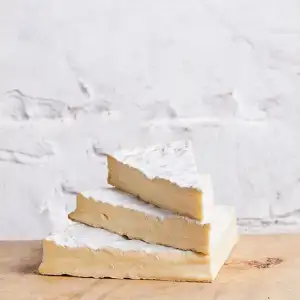 Brie De Meaux 180g
 Subtotal: €7.20




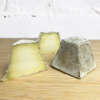
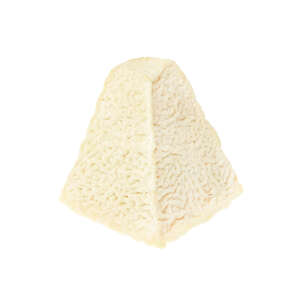
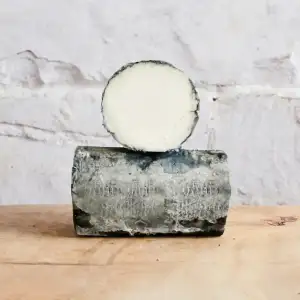
Valençay has a pyramidal shape and natural rind mould coated with a mixture of charcoal and salt. The paste is white/ivory with a fondant texture growing firmer with age. Valencay can range from light and fresh at a young stage with growing aroma of hazelnuts or peanuts, dried fruits and mushrooms as the cheese matures.
TypeSoft
Rennettraditional
RegionFrance, loire, France
ProducerP. Jacquin
Milkraw goat
Rindash
€7.40
This distinctive cheese was originally pyramid shaped. It is said that on the return journey to Paris, following his miserable campaign in Egypt, Napoleon stayed at the chateau of Valençay. The presentation of a pyramidical cheese at the end of the meal was too much for the Emperor to bear, he flew into a rage and decapitated the offending cheese with his sword. From that moment
on, in deference to Napoleon, and presumably out an instinct for self-preservation, the people of Berry made Valençay in its now familiar truncated, pyramid-shape.
Valençay’s AOC (June 1998) is one of the most recently awarded by the Instituts National des Appelations Origines. The AOC delimits production to the department of Indre and certain areas of Cher, Loire et Cher and L’Indre et Loire. It also lays down strict rules concerning the shape and size of the cheese, the milk used and the period of affinage. Valençay production is very much based on tradition. Made with raw goat’s milk, coagulation takes place over a period of 24 - 36 hours. The curds are then hand ladled into moulds where they are left to drain. The fresh cheeses are then rubbed with a mixture of charcoal ash and salt before being left to ripen in 80% humidity for a period of at least 11 days. The charcoal ash prevents the development of unwanted moulds on the surface of the cheese whilst the ‘fleur’, or desirable mould, forms.
The Jacquin family began producing cheese in 1947 in the Loire Valley, France. The Loire’s rich landscape is renowned for producing some of the best goat cheeses in the world and the Jacquin family are committed to quality made PDO goat’s cheeses.



Cheese should be unpacked and stored in a cool place, ideally around 5 degrees. Take out about an hour before serving, and allow to come to room temperature. Leaving cheese come up to room temperature (“to chambre”) allows it to develop a fuller, more aromatic flavour. Beware temperatures that are too warm (hot kitchen) and try and let the cheese come up to temperature in a relatively cool place like a cool pantry. Harder cheeses can need a little more time than softer ones.
Cheeses like cheddars that have more open texture pastes where the curd is not heavily compacted during the cheesemaking process can have occasional blue veining. Though this blueing is caused by unintentional rouge pencillium genus mould that has found its way into the cheese, it is often sought after for its contributing flavour.
Frequently, cheeses that start to grow mould while aging, in storage, or during transit can be salvaged and are safe to consume. In the case of blue/white mould that has begun to form, it can be scraped off with regular dinner knife or back of chef knife, and bloomy rind cheeses often begin to re-rind themselves on the cut surface which can just be cut off or eaten.
Spoiled cheese has some key indicators – if you get an ammonia/sour smell or taste then it goes in the bin.
Fresh, high moisture, young cheeses (think mozzarella/ricotta/mascarpone/cream cheese) that have mould growing should be discarded immediately.
Moulds that show up with black or reddish hue should be discarded.
Our primary aim is to provide delicious, quality, safe cheeses to our Sheridans customers however cheese is a living thing with an agenda of its own. If you believe your cheese (or other food item) has spoiled, please contact us immediate at online@sheridanscheesemongers.com for a replacement or refund.
Ingredients: Pasteurized goat’s milk, salt, rennet, starters, carbon ash.
Allergens In Bold
1 Nutritional Table per 100g
a Energy 1170/282 KJ/KCAL
b Fat (saturates ) 25
c Carbohydrates 2,05
d Sugar 2,05
d(1)Fibre absence
e Protein 17.5
f Salt 2.06
2 Allergens Tagged - MILK