
Taleggio 200g
About This Cheese
Taleggio is made using full-fat cow’s milk. During maturation the cheeses are sponged frequently with brine to encourage the growth of b-linens, inhibit the growth of undesirable moulds and encourage the formation of the pinkish-orange rind.
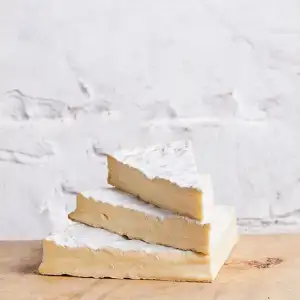
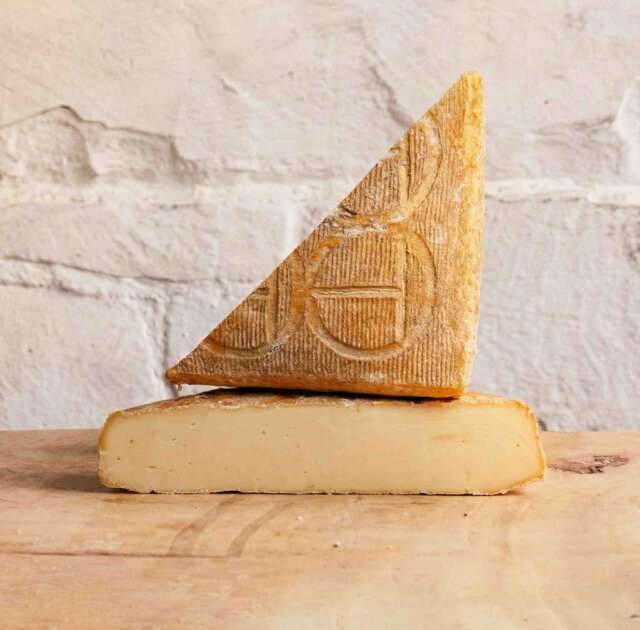
Taleggio is characterised by a slightly pungent pinkish-orange rind and a semi-soft white paste, sometimes containing a few small air bubbles. The cheese ranges in flavour from mild, buttery and slightly whiffy to more farmyardy and pungent. Taleggio is a great cooking cheese as it melts easily and maintains its flavour when cooked.
TypeSoft
Rennettraditional
RegionItaly
ProducerCastel Regio
Milkcow
Rindwashed
€7.70

Story
Taleggio is a square-shaped washed-rind cheese from Northern Italy made using cow’s milk. The DOP, awarded in 1996, delimits production to the provinces of Bergamo, Brescia, Como, Cremona, Milan and Pavia in Lombardy, Treviso in the Veneto, and Novara in Piedmont.
Although it only acquired the name Taleggio in the early twentieth century, this style of cheese has been made in the Val Taleggio, in Upper Bergamo, since at least the tenth century and it is from here that the cheese takes its name. In 1979 a consortium of producers, affineurs and traders came together to form the Consortio per la Tutela del Taleggio, an organisation founded with the aims of: promoting Taleggio cheese; aiding producers and dairies involved in the manufacture of Taleggio; and safeguarding the quality of the cheese from imitators at home and abroad. As a result of their efforts all genuine Taleggio is legally required to carry the Consortio’s distinctive circular T-marks on the rind of the cheese and its insignia on the wrapper.
Goes Well With

FAQs
Cheese should be unpacked and stored in a cool place, ideally around 5 degrees. Take out about an hour before serving, and allow to come to room temperature. Leaving cheese come up to room temperature (“to chambre”) allows it to develop a fuller, more aromatic flavour. Beware temperatures that are too warm (hot kitchen) and try and let the cheese come up to temperature in a relatively cool place like a cool pantry. Harder cheeses can need a little more time than softer ones.
Cheeses like cheddars that have more open texture pastes where the curd is not heavily compacted during the cheesemaking process can have occasional blue veining. Though this blueing is caused by unintentional rouge pencillium genus mould that has found its way into the cheese, it is often sought after for its contributing flavour.
Frequently, cheeses that start to grow mould while aging, in storage, or during transit can be salvaged and are safe to consume. In the case of blue/white mould that has begun to form, it can be scraped off with regular dinner knife or back of chef knife, and bloomy rind cheeses often begin to re-rind themselves on the cut surface which can just be cut off or eaten.
Spoiled cheese has some key indicators – if you get an ammonia/sour smell or taste then it goes in the bin.
Fresh, high moisture, young cheeses (think mozzarella/ricotta/mascarpone/cream cheese) that have mould growing should be discarded immediately.
Moulds that show up with black or reddish hue should be discarded.
Our primary aim is to provide delicious, quality, safe cheeses to our Sheridans customers however cheese is a living thing with an agenda of its own. If you believe your cheese (or other food item) has spoiled, please contact us immediate at online@sheridanscheesemongers.com for a replacement or refund.
Nutritional Information
Ingredient Allergens in Bold:
LATTE vaccino, sale, caglio/cows MILK,
salt, rennet
Nutritional values/100g
Energy 1246kj / 374kcal
Fat 24.9
of which Satured 16.2
Carbohydrate 2.1
of which Sugar 2.1
Salt 2.2
Protein 16.9