-
×
 Sheridans Basil Pesto 180g
1 × €6.60
Sheridans Basil Pesto 180g
1 × €6.60
 Sheridans Basil Pesto 180g
 Subtotal: €6.60


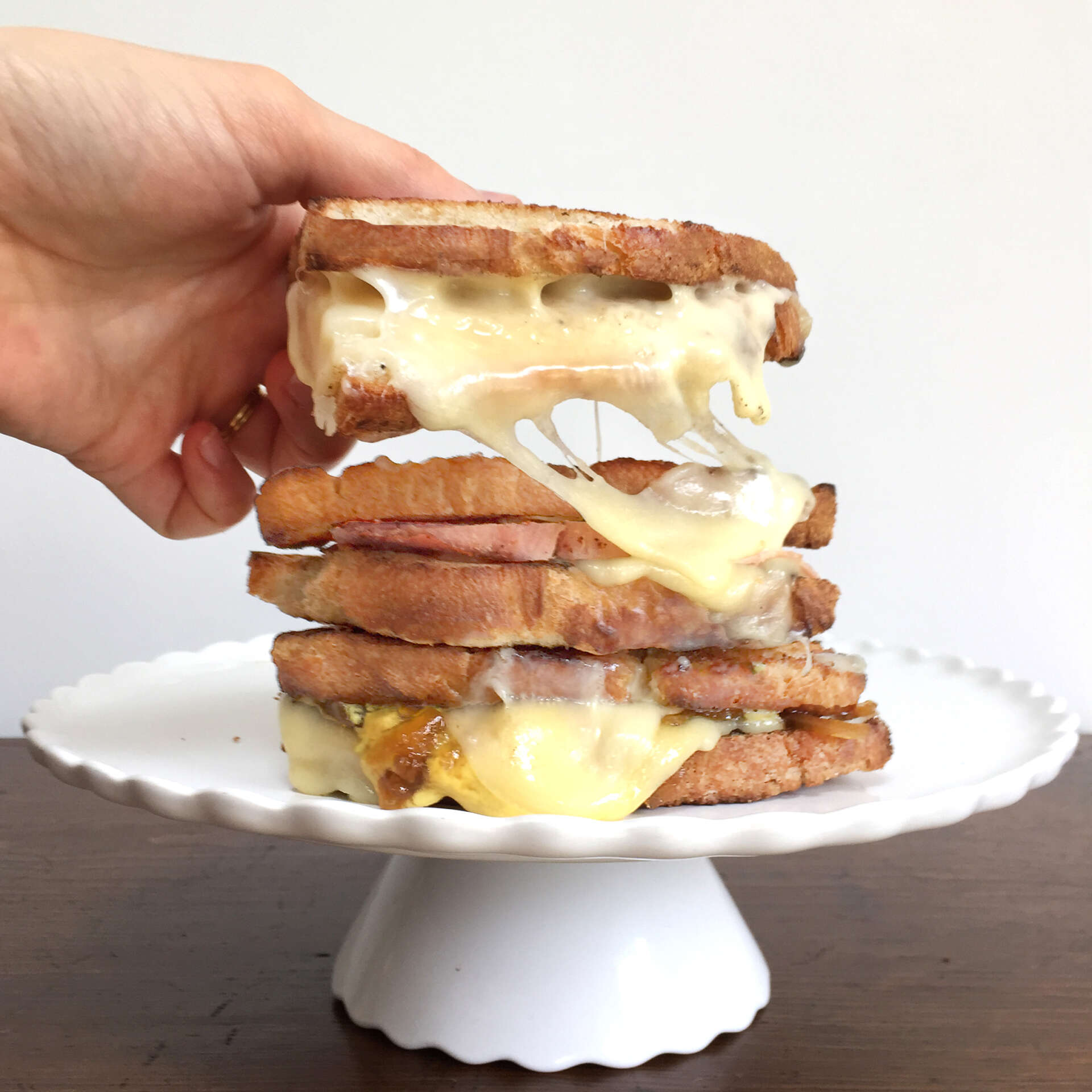
Raclette may be the most famous of all melting cheeses! Raclette has a mild, lactic flavour and with a slight fruity and savoury finish. Expect notes of hay and roast chicken. It has an elastic, semi-firm paste and a thin blushing pink rind that is fully edible. Known for its use in the classic Raclette dish, but also great on a cheeseboard or used in sandwiches.
TypeSemi-firm
Rennettraditional
RegionFranche Comté, France
ProducerFromageries Chabert
Milkraw cow
Rindwashed
Price range: €14.88 through €161.20
High in the Alps, raclette cheese and its gastronomic endeavours were born of practicality. In traditional Alpine cheesemaking, raclette cheese production ties closely to the grazing season. During the summer months, cows graze in high mountain pastures on herb-rich grasses that produce rich flavourful milk, perfect for making the best Raclette cheeses. Traditionally production of Raclette cheese usually starts around September before being aged for 3 to 6 months depending on the producer’s preference.
In terms of raclette as a meal, the name is derived from the French racler, to scrape, which is exactly how it was first enjoyed: a wheel of cheese warmed by the fire, softening its surface before being scraped onto bread or boiled potatoes.
For centuries, raclette was the food of herdsmen, tending cattle through Alpine pastures. Milk and cheese was available, fuel was scarce, and meals needed to be resourceful, nutritious and warming. At the time there was little ceremony beyond what the land provided, potatoes, preserved vegetables, and if you were lucky, a glass of local wine. Over the years, raclette became part of the social fabric of Alpine life, adopted into après ski culture, and featured at large gatherings like weddings. What was once a shepherd’s supper became a communal ritual, an convivial food centrepiece to gather round.
Chabert produces traditional cheeses from Savoie. Their milk come from local farms focused on traditional pasture grazing and whose practices respect to sustainability in the landscape biodiversity. The milk is produced by local heritage breed cows adapted to the mountains terrain and climate. The three cow breeds Chabert works with are the Abondance, Tarine and Montbeliarde. The cows are free to roam their mountainous pastures to feed on a array of grasses, flora and fauna producing rich milk perfect for cheese making.
Cheese should be unpacked and stored in a cool place, ideally around 5 degrees. Take out about an hour before serving, and allow to come to room temperature. Leaving cheese come up to room temperature (“to chambre”) allows it to develop a fuller, more aromatic flavour. Beware temperatures that are too warm (hot kitchen) and try and let the cheese come up to temperature in a relatively cool place like a cool pantry. Harder cheeses can need a little more time than softer ones.
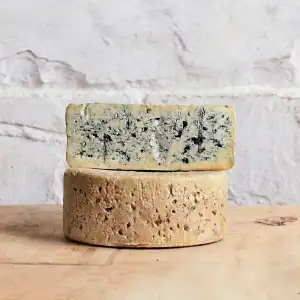
Cheeses like cheddars that have more open texture pastes where the curd is not heavily compacted during the cheesemaking process can have occasional blue veining. Though this blueing is caused by unintentional rouge pencillium genus mould that has found its way into the cheese, it is often sought after for its contributing flavour.
Frequently, cheeses that start to grow mould while aging, in storage, or during transit can be salvaged and are safe to consume. In the case of blue/white mould that has begun to form, it can be scraped off with regular dinner knife or back of chef knife, and bloomy rind cheeses often begin to re-rind themselves on the cut surface which can just be cut off or eaten.
Spoiled cheese has some key indicators – if you get an ammonia/sour smell or taste then it goes in the bin.
Fresh, high moisture, young cheeses (think mozzarella/ricotta/mascarpone/cream cheese) that have mould growing should be discarded immediately.
Moulds that show up with black or reddish hue should be discarded.
Our primary aim is to provide delicious, quality, safe cheeses to our Sheridans customers however cheese is a living thing with an agenda of its own. If you believe your cheese (or other food item) has spoiled, please contact us immediate at online@sheridanscheesemongers.com for a replacement or refund.
Ingredients: Raw Cow’s milk (98.5%), salt (<1%),
ferments lactics (<0.5%), rennet (<0.5%)
Allergens listed in BOLD
Nutritional values per 100g
Energy 388 Kcal/1606 kJ
Fat 32 g
of which saturated 20,8 g
Carbohydrates 0g
of which sugars 0g
Proteins : 23,8 g
Salt 1,4 g