

Monte Enebro 200g
About This Cheese
Montenebro is a semi-pressed goat’s cheese log covered in ash and mould. The flavour is assertive and earthy with a nice salty tanginess.
TypeSemi-firm
Rennettraditional
RegionCastile-Leon, Spain
ProducerQueserias del Tietar
Milkgoat
Rindnatural, ash/mould
€11.20

Story
Sometimes confused with Queso del Tietas, Monte-enebro is a semi-soft, pasteurized goat’s cheese from Castilla-Leon in Spain. All the milk use in production comes from local herds. The cheesemaker Rafael Báez uses penicilium roqueforti to coat the exterior of the cheese in blue mould adding the complexity of the cheese flavour and distinctive rind. This flavourfulcheese is a recent, but welcome addition to the pantheon of Spanish cheese.
Producer
It was created by Rafael Báez in the Val del Tietar. This remarkable man only began making cheese in 1982, at the age of 64! Under the tutelage of one of the most important cheesemakers in Spain, Enric Canut, Rafael gradually developed the award-winning Monte Enebro. This wonderful cheese has enjoyed great success on export markets both in Europe and the USA. The business is now run by Rafael’s daughter
Goes Well With

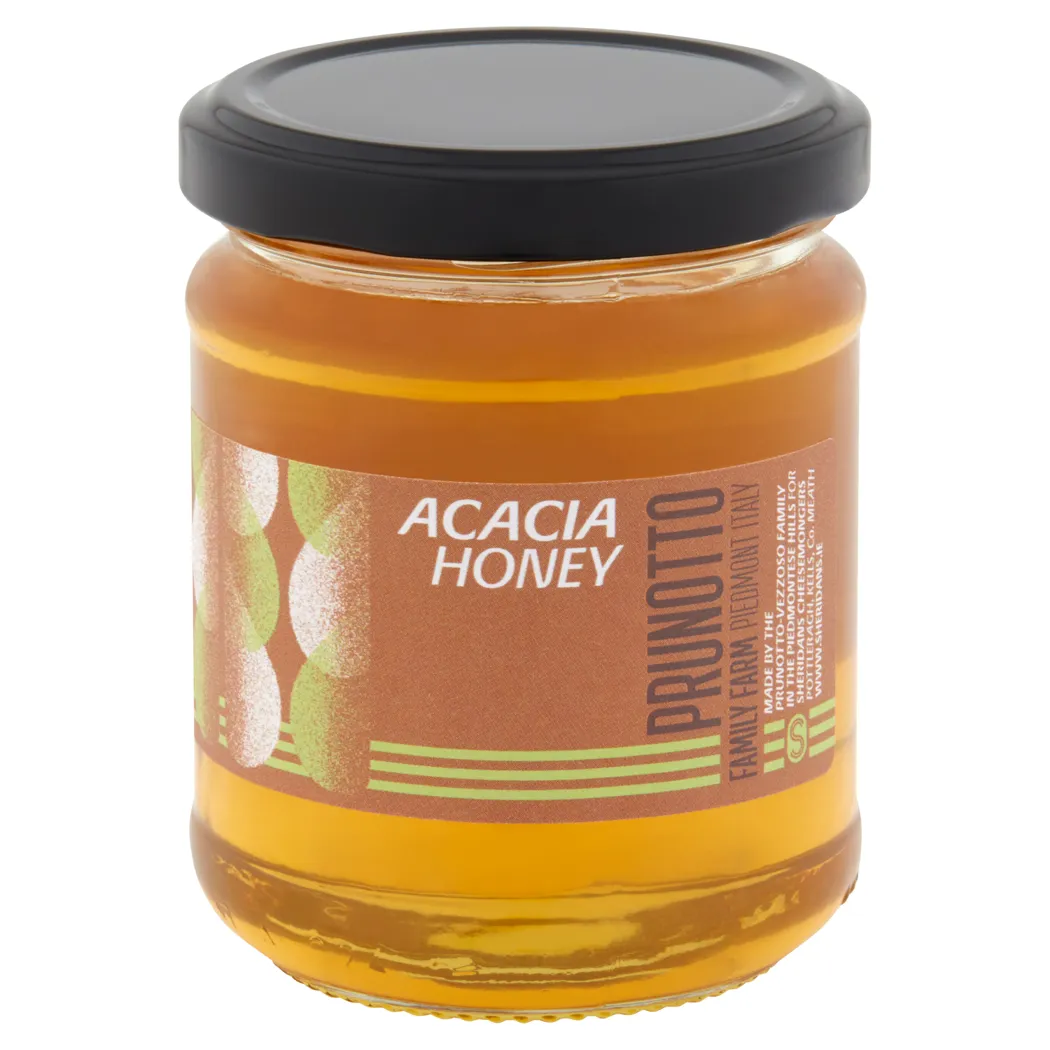
Prunotto Acacia Honey 250g
€7.80Add to Bag
Barrica Martin Berdugo Ribera del Duero Tempranillo
€22.00Add to Bag
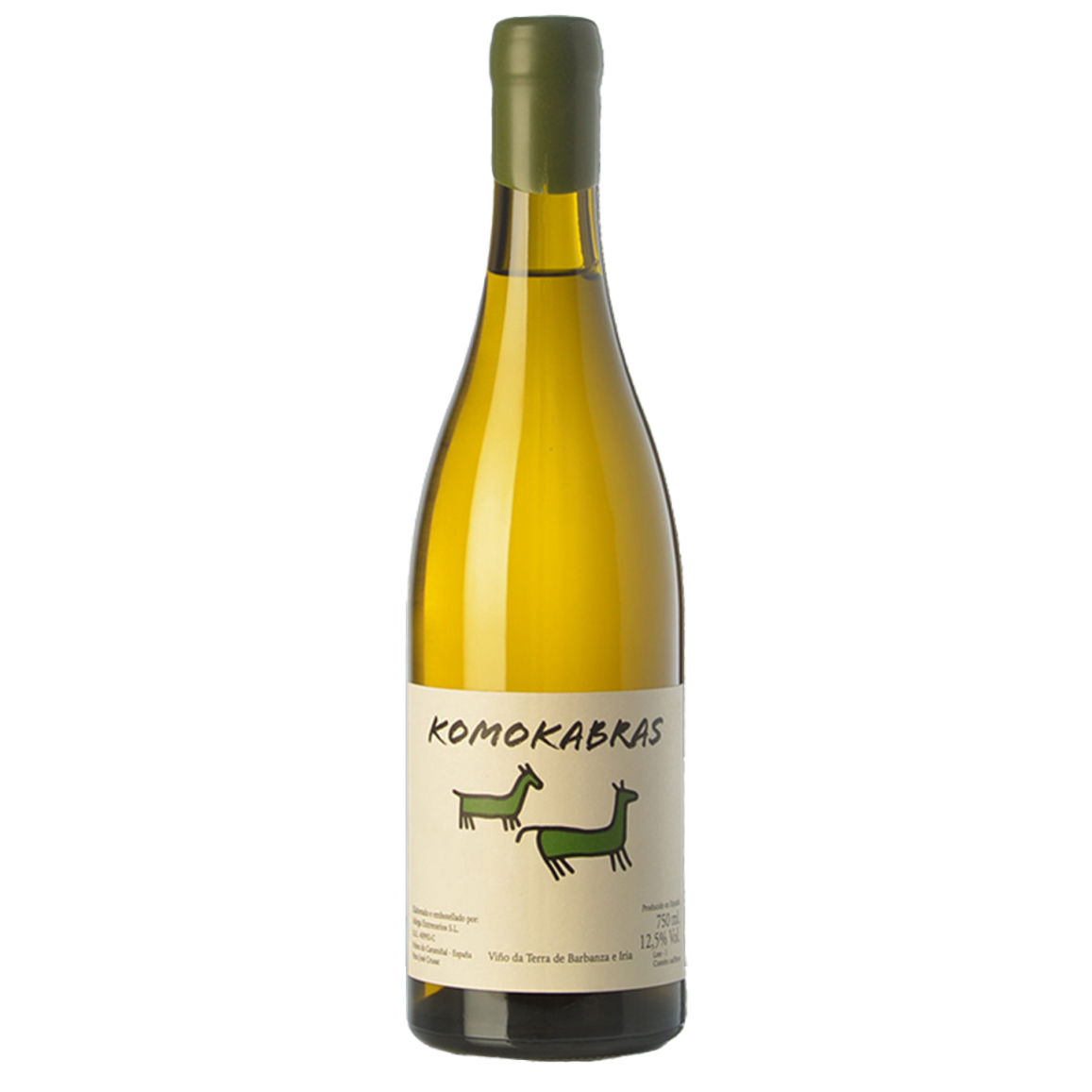
Albarino Komokabras Verde
€26.85Add to Bag
Millers Damsel Wheat Wafer
€4.50Add to Bag
Azouro Negrinha do Douro Olives
€5.50Add to Bag
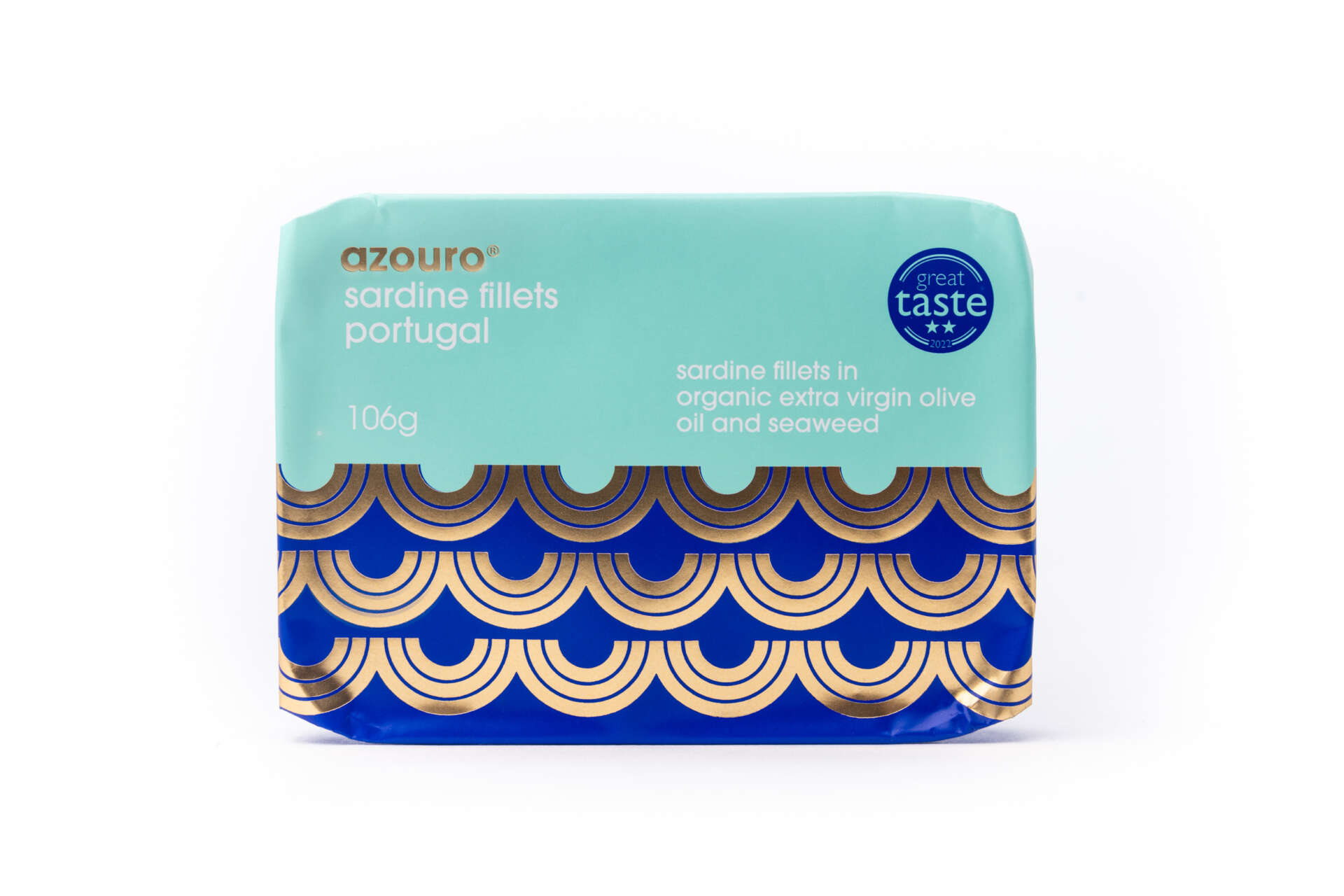
Azouro Sardine Fillets in Organic Extra Virgin Olive Oil & Seaweed 106g
€7.95Add to Bag
Juan Matas sliced iberico salchihon 100g
€7.50Add to Bag




You may also like…
-

Selles Sur Cher 150g
Berry, France €7.80 Add to Bag -
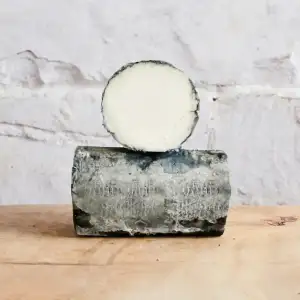
St Tola Ash
Burren, co Clare Price range: €15.00 through €30.00 Select options This product has multiple variants. The options may be chosen on the product page -
Pouligny Saint Pierre 250g
France €13.00 Add to Bag



FAQs
Cheese should be unpacked and stored in a cool place, ideally around 5 degrees. Take out about an hour before serving, and allow to come to room temperature. Leaving cheese come up to room temperature (“to chambre”) allows it to develop a fuller, more aromatic flavour. Beware temperatures that are too warm (hot kitchen) and try and let the cheese come up to temperature in a relatively cool place like a cool pantry. Harder cheeses can need a little more time than softer ones.
Cheeses like cheddars that have more open texture pastes where the curd is not heavily compacted during the cheesemaking process can have occasional blue veining. Though this blueing is caused by unintentional rouge pencillium genus mould that has found its way into the cheese, it is often sought after for its contributing flavour.
Frequently, cheeses that start to grow mould while aging, in storage, or during transit can be salvaged and are safe to consume. In the case of blue/white mould that has begun to form, it can be scraped off with regular dinner knife or back of chef knife, and bloomy rind cheeses often begin to re-rind themselves on the cut surface which can just be cut off or eaten.
Spoiled cheese has some key indicators – if you get an ammonia/sour smell or taste then it goes in the bin.
Fresh, high moisture, young cheeses (think mozzarella/ricotta/mascarpone/cream cheese) that have mould growing should be discarded immediately.
Moulds that show up with black or reddish hue should be discarded.
Our primary aim is to provide delicious, quality, safe cheeses to our Sheridans customers however cheese is a living thing with an agenda of its own. If you believe your cheese (or other food item) has spoiled, please contact us immediate at online@sheridanscheesemongers.com for a replacement or refund.
Nutritional Information
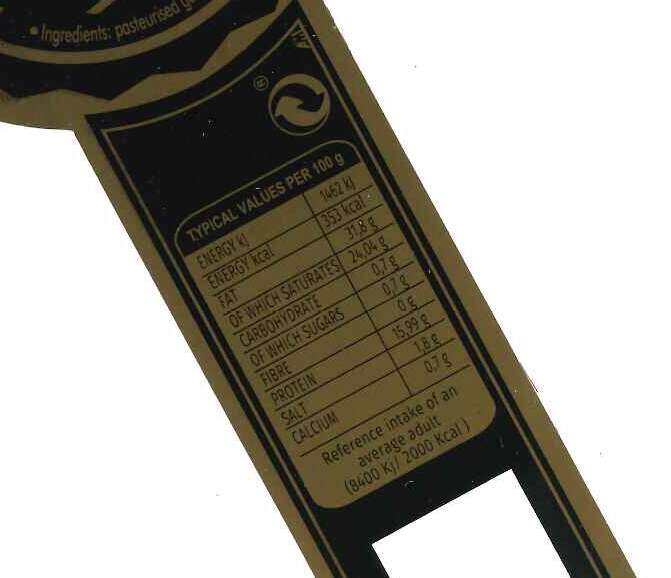
Ingredient, Allergens in Bold: Goats Milk, Salt, Animal rennet, Lactic ferments