
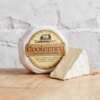


Cooleeney 200g
About This Cheese
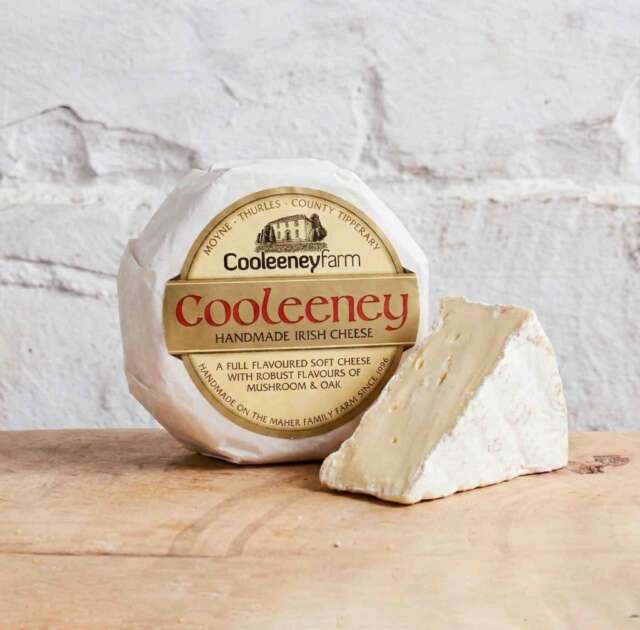
Cooleeney comes with a pale-yellow paste, generally with some chalkiness at the centre, but when fully ripened the paste is soft and smooth. The flavour is creamy and buttery with hints of grass, flowers and wet pastures with distinguishable white mushroom notes coming through on the finish.
TypeSoft
Rennetvegetarian
RegionMoyne, co Tipperary
ProducerMaher
Milkcow
RindPenicillium Candidum
€4.80

Story
Cooleeney was among the first cheeses we sold on our market stall in Galway. It’s a camembert style Irish cheese with a white mould rind and usually fully mature at 8-10 weeks. The Mahers’ cheese is lighter and more floral than your average camembert and we really enjoy it with a slightly chalky centre surrounded by ripe paste.
Producer
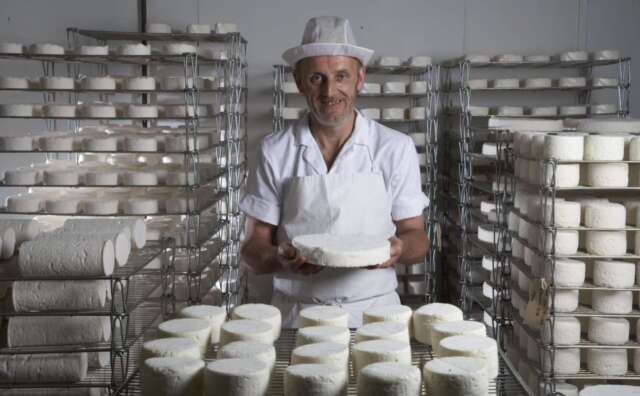
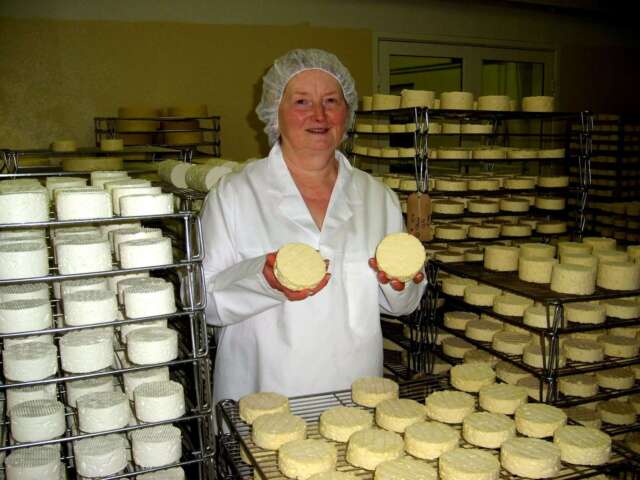
Cooleeney farm is tucked into the Tipperary countryside, home to clover rich grass and Cooleeney Farm’s herd of Friesian cows. Breda began making her bloomy-rind cheese Cooleeney in 1986 as a way to make a better living from the family dairy farm, located outside Thurles in Co. Tipperary. Cheese seemed like a good way to increase the value of the milk from the family’s herd and Cooleeney has thrived with the help of several generations of the Maher family.
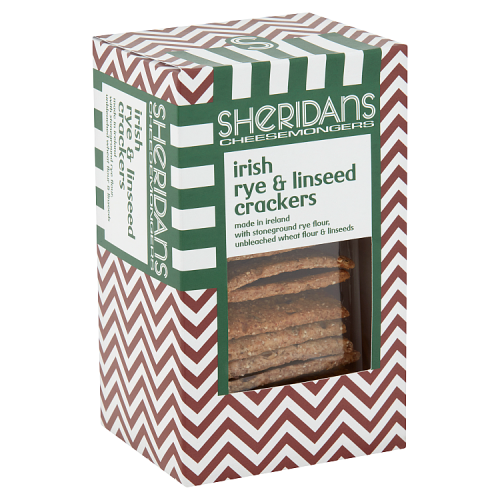
Goes Well With




FAQs
Cheese should be unpacked and stored in a cool place, ideally around 5 degrees. Take out about an hour before serving, and allow to come to room temperature. Leaving cheese come up to room temperature (“to chambre”) allows it to develop a fuller, more aromatic flavour. Beware temperatures that are too warm (hot kitchen) and try and let the cheese come up to temperature in a relatively cool place like a cool pantry. Harder cheeses can need a little more time than softer ones.
Cheeses like cheddars that have more open texture pastes where the curd is not heavily compacted during the cheesemaking process can have occasional blue veining. Though this blueing is caused by unintentional rouge pencillium genus mould that has found its way into the cheese, it is often sought after for its contributing flavour.
Frequently, cheeses that start to grow mould while aging, in storage, or during transit can be salvaged and are safe to consume. In the case of blue/white mould that has begun to form, it can be scraped off with regular dinner knife or back of chef knife, and bloomy rind cheeses often begin to re-rind themselves on the cut surface which can just be cut off or eaten.
Spoiled cheese has some key indicators – if you get an ammonia/sour smell or taste then it goes in the bin.
Fresh, high moisture, young cheeses (think mozzarella/ricotta/mascarpone/cream cheese) that have mould growing should be discarded immediately.
Moulds that show up with black or reddish hue should be discarded.
Our primary aim is to provide delicious, quality, safe cheeses to our Sheridans customers however cheese is a living thing with an agenda of its own. If you believe your cheese (or other food item) has spoiled, please contact us immediate at online@sheridanscheesemongers.com for a replacement or refund.
Nutritional Information
- Nutritional Information
| Average Values per 100g | Method | |
| Energy kJ/kcal | 1185/285.5 | AOAC |
| Protein | 16.2g | Kjeldahl |
| Carbohydrate | 3.3g | AOAC 950.46 |
| Of which sugars | <0.5g | AOAC 974.46 |
| Fat | 23.05g | AOAC: 905.02 Ro-Go |
| Of which saturates | 14.63g | AOAC |
| Polyunsaturates | – | – |
| Monounsaturates | – | – |
| Fibre | <1g | AOAC |
| Sodium | 524mg | AM/C/1002 |
| Ingredient |
| Pasteurised Cow’s Milk |
| Salt |
| Starter Culture |
| Vegetarian Rennet |
| Mould |